Homebrew & Indie

Escape from London Revived for C64 and Plus/4
Escape from London Revived for C64 and Plus/4

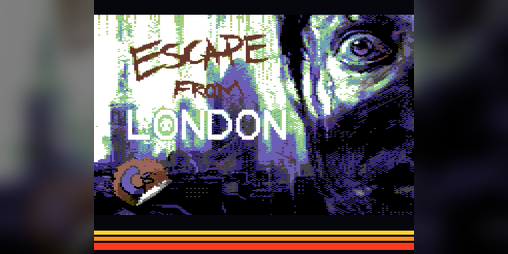
Developer 8bitSquad has released Escape from London, a name-your-own-price text adventure for the Commodore 64 and Plus/4. The game originally appeared on the C64 in 2013 but was shelved, and has now been rebuilt more than a decade later using Daz's ALF adventure engine. It casts players in a chaotic London where the trains have stopped and the Army has taken over the Tube, tasking them with finding their wife and catching the last evacuation train. The project uses AI-assisted code, graphics, sound and text. via itch.io
Cauldron Scare Attack Pays Homage to 8-bit Classic on PC

Cauldron Scare Attack Pays Homage to 8-bit Classic on PC

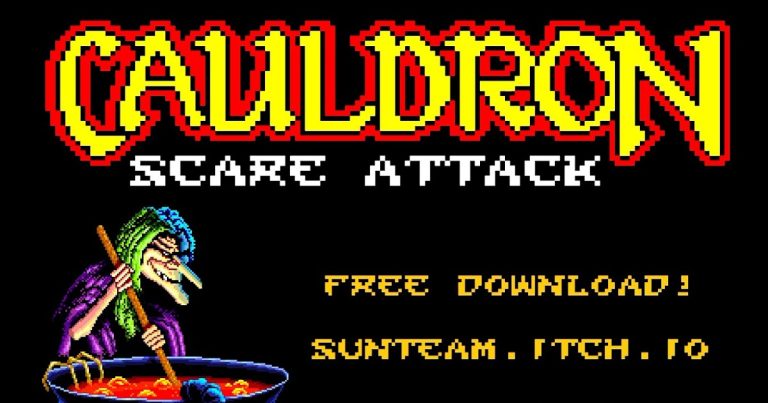
Developer Sunteam has released Cauldron Scare Attack, a fast-paced single-level score attack shooter for Windows. The game is built as a modern homage to Palace Software's classic Cauldron, drawing direct inspiration from the original title created by Steve Brown, Tony Barber and Simon Dunstan. Cauldron was originally released in 1985 for 8-bit home computers including the Commodore 64 and ZX Spectrum, and became known for its witch-themed shoot-em-up and platform gameplay. via indieretronews.com

Day of the Tentacle Gets Fan Port to Amiga via AI

Day of the Tentacle Gets Fan Port to Amiga via AI

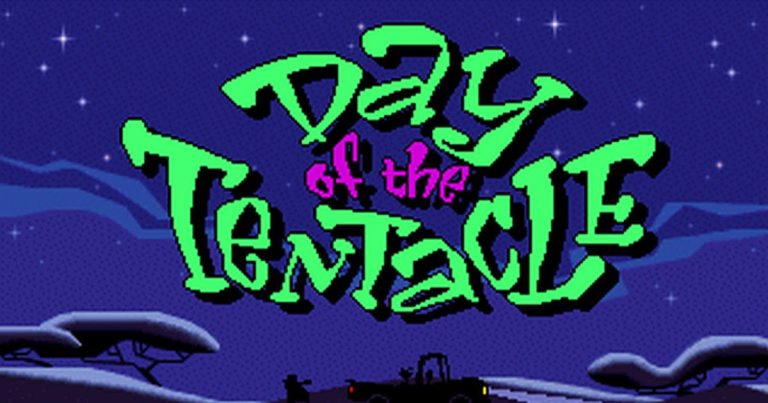
Developer Darasco has released a new fan port of LucasArts' 1993 adventure game Day of the Tentacle for the Commodore Amiga, created with the help of AI tools. The game, a sequel to Ron Gilbert's Maniac Mansion, follows three friends trying to stop an evil mutated tentacle from taking over the world using time travel. Despite its acclaim, Day of the Tentacle was never given an official Amiga release at the time, making this an unofficial attempt to bring the point-and-click classic to the platform decades later. via indieretronews.com

Time Twist Famicom Disk System Game Gets Fan Translation

Time Twist Famicom Disk System Game Gets Fan Translation

A new fan translation has been released for Time Twist: Rekishi no Katasumi de…, a 1991 Famicom Disk System game co-developed by Nintendo and Pax Softnica. The patch, made without AI tools, allows English-speaking players to experience the title for the first time in their own language. Time Twist is considered one of Nintendo's strangest releases, written and directed by Keiji Terui and seen as a last major title for the Famicom Disk System. The Famicom Disk System was an add-on peripheral for the original Famicom that used proprietary floppy disks instead of cartridges. via timeextension.com

Halo DS Demo Recreation Project Resurfaces Lost ’00s Build

Halo DS Demo Recreation Project Resurfaces Lost '00s Build

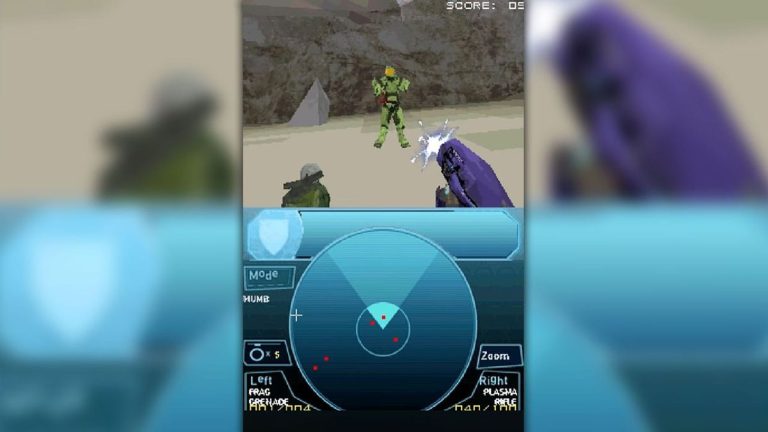
A project has begun recreating the long-rumored Halo DS demo, a build that has only ever been known through images that circulated online since the 2000s. The original demo was never officially released, and details about it have mostly existed as chatter and speculation among fans over the years. This recreation effort aims to bring that elusive piece of Nintendo DS history back as a playable experience. via retrododo.com

Wizball: Enhanced Edition Released for ZX Spectrum

Homebrewer Leigh "Gravious" Ashton has released Wizball: Enhanced Edition, an updated version of Ocean Software's 1987 ZX Spectrum platformer. The project received a major assist from Mark R. Jones, the original game's Ocean graphics artist. The enhanced edition brings improved visuals, gameplay and music to the original title, which was a best-seller known for its difficulty and memorable marketing featuring its green protagonist. via timeextension.com

James Pond 2 Recompiled Natively for PC and Steam Deck

James Pond 2 Recompiled Natively for PC and Steam Deck

Gary Riches has published a ground-up recompile of the 1991 Amiga game James Pond 2: Codename RoboCod on GitHub. Instead of emulating the original, the project translates the game's 68000 assembly code directly into native C++, allowing it to run natively on Windows, macOS, Linux, and Steam Deck. The conversion also enables the game to display in ultrawide and stretched resolutions beyond what the original Amiga version supported. via indieretronews.com

Retro Remake Returns with Portable FPGA Handheld

Retro Remake Returns with Portable FPGA Handheld

Retro Remake, the company behind recent Nintendo Switch screen mods, is working on a new portable FPGA handheld. The company is fronted by Taki Udon, a well known figure from the classic handheld review scene, and has built a reputation as a relatively affordable player in the FPGA space. The news follows a period of turbulence tied to its Switch mod business. FPGA hardware recreates original console chips in reprogrammable logic rather than through software emulation, often giving more accurate timing and compatibility. via retrohandhelds.gg

Super Station Pocket Teaser Reveals Game Boy Cart Support

Super Station Pocket Teaser Reveals Game Boy Cart Support

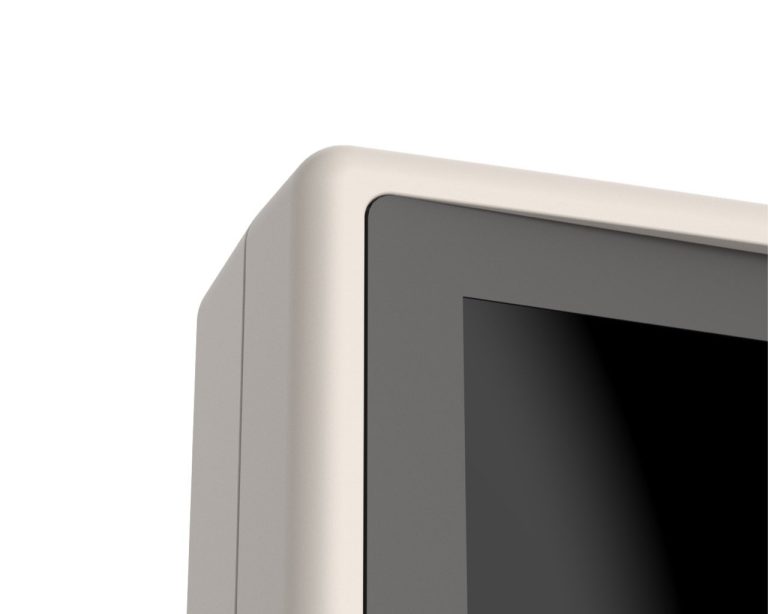
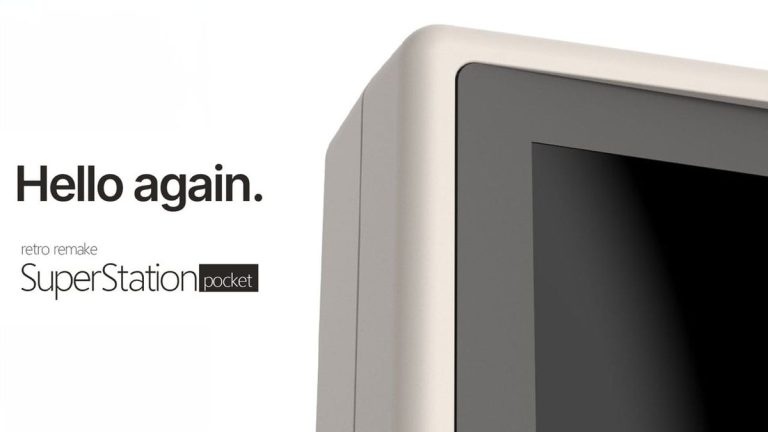
Developer Taki Udon has shared a new teaser post for the Super Station Pocket, an FPGA handheld in development at RetroRemake. The post reveals that the device will support playing original Game Boy cartridges directly, in addition to its FPGA core capabilities. Taki Udon previously created the SuperStation, a PS1-inspired FPGA console praised for its performance. The Super Station Pocket's design has been compared to the Game Boy Pocket. via retrododo.com

C64 RE Tools Rebuild Uncovers Bruce Lee’s Original Source Code

A developer working on C64 RE Tools, an open-source toolkit for reverse-engineering Commodore 64 software with AI coding agents and the VICE emulator, used it to reconstruct Datasoft's 1984 game Bruce Lee. The rebuild was pieced together from three surviving cracked releases, matching the original game bytes and verifying the result in emulation. During the process, around 6 KB of unused memory was found to contain fragments of the game's original assembler source, including symbol tables with animation names, earlier versions of routines and graphics, music-editor data, and parts of a graphics utility used in development. via reddit.com/r/thisweekinretro

AmiPixelShop 0.3 Brings Layer-Based Image Editing to Amiga

Developer Thomas Radeck has released version 0.3 of AmiPixelShop, a layer-based image editor written natively for the Amiga in C and 68k assembler. Unlike many Amiga software projects, it is not a port or reverse-engineered code, and it runs on its own RTG screen at resolutions up to 1920x1080. The early beta supports up to 64 layers with 25 blending modes, layer and clipping masks, adjustment layers, and tools such as brush, eraser, clone stamp, gradient and dodge/burn. A user guide is included in the archive, and testers are being asked to report bugs via GitHub Issues. via amiga-news.de